0%

Choosing the right Aluminum Window is not just a style decision. It affects comfort, energy use, noise, and the way a room feels throughout the day. The U.S. Department of Energy’s Energy Saver guidance estimates that heat gain and heat loss through windows account for 25%–30% of residential heating and cooling energy use. That figure makes frame and glass selection worth careful attention, though actual savings depend on the home, climate, and installation.

Aluminum frames offer narrow sightlines, a strong structure, and a clean, modern appearance. A slim frame can bring more daylight into a kitchen while keeping the view of the garden largely unobstructed. Yet standard aluminum conducts heat readily. Thermal breaks—insulating barriers within the frame—can reduce heat transfer, but their performance varies by product. Not every window suits every home. A west-facing bedroom, for example, may need different solar control than a shaded north-facing room.

To compare options, check certified performance ratings rather than relying on appearance or sales claims alone. The National Fenestration Rating Council (NFRC) label reports measures such as U-factor and Solar Heat Gain Coefficient (SHGC), helping buyers compare products on consistent terms. Lower U-factor generally means less heat transfer; SHGC indicates how much solar heat enters. A polished frame is easy to notice. Poor installation is harder to see. Ask about glazing, seals, drainage, and the installer’s track record, then match those details to your local conditions. No single specification tells the whole story, and even careful research can leave questions. That is a reason to compare—not to guess.
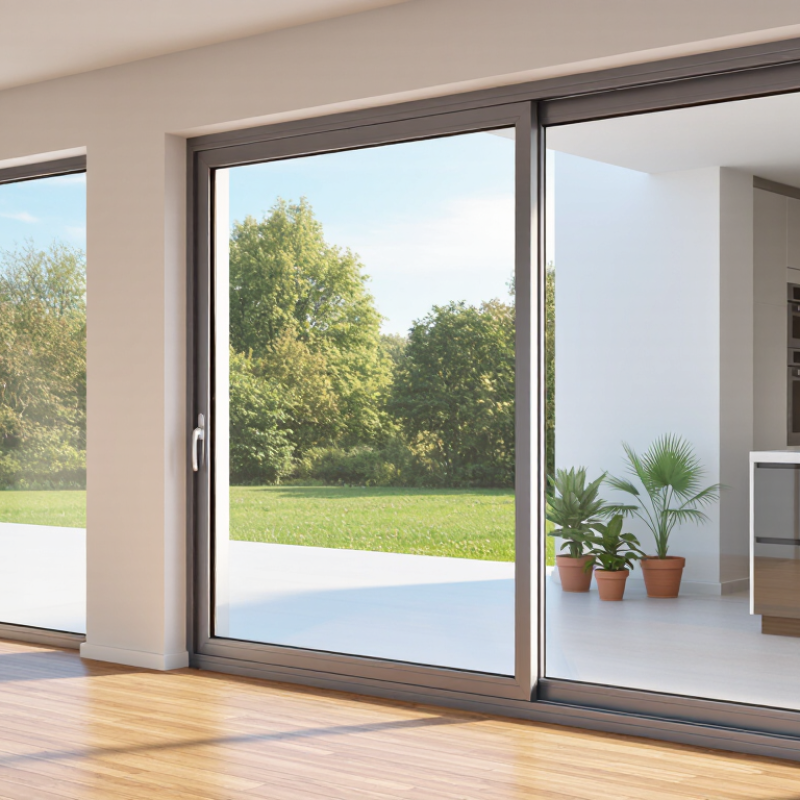
How to Choose the Right Aluminum Window?

Understand the Main Types and Components of Aluminum Windows

How to Choose the Right Aluminum Window?
Understand the Main Types and Components of Aluminum Windows

Aluminum windows come in several operating styles, and each suits different rooms. Casement windows swing outward, making them useful where a clear opening helps with ventilation. Sliding windows move along a track and need no swing space, though their tracks require regular cleaning. Awning windows hinge at the top and can admit air during light rain. Fixed windows do not open, but they provide daylight and an uninterrupted view. The best fit depends on room layout, airflow needs, and how often you want to clean or operate the window.

Look beyond the frame. A window also includes the sash, glass, seals, hardware, and drainage paths. The sash holds the glass; hinges, rollers, and locks control movement and closure. A thermal break separates the inner and outer parts of the aluminum frame, helping reduce heat transfer. Glazing choices affect insulation, noise, and sunlight, so consider the room’s exposure and local climate. Check that seals sit evenly and that drainage openings are unobstructed. Small parts matter. It is easy to focus on slim frame lines and overlook handle comfort or track access. Still, a beautiful window can be frustrating if it is difficult to reach, clean, or secure. Ask for clear specifications, and compare complete window systems rather than frame material alone.

How to Choose the Right Aluminum Window: Common Types and Opening Modes

Compare common aluminum window types by the number of distinct opening modes in a typical configuration.

How to read this chart: Fixed windows do not open; sliding, casement, and awning windows typically offer one opening mode; tilt-turn windows typically offer two. Configurations vary by design, so consider ventilation needs, hardware, glazing, and frame components when choosing.

Assess Your Climate, Building Style, and Room Requirements

Choosing an aluminum window starts with your climate, not its appearance. In cold regions, look for thermally broken frames and glazing suited to local winter temperatures. In hot, sunny areas, consider solar-control glass, especially on west-facing walls. Coastal air can accelerate corrosion, so ask about suitable finishes and routine care. Details matter.

Next, match the frame and opening style to the building. Slim profiles may suit modern façades, while divided panes can complement older designs. Check the room’s needs, too. A bedroom may benefit from sound-reducing glazing and a secure opening, while a kitchen may need easy ventilation. Measure carefully: a wide frame can reduce the visible glass area, a trade-off that is easy to miss on a plan.

Tips: Note each window’s direction, room use, and exposure to wind or noise before comparing options. Ask a qualified installer how the window will be sealed and drained. Check the details against your actual wall conditions; drawings do not always show every complication.

Compare Frame Performance, Glazing, and Thermal Efficiency

An aluminum window should be judged as a complete system, not by its frame appearance alone. Aluminum is strong and allows slim sightlines, but metal transfers heat readily. Look for a thermal break: a non-metal section separating the interior and exterior frame surfaces. On a cold morning, the inner frame should feel less like an ice-cold railing. Small detail. Ask for the whole-window U-factor, not just center-of-glass data; lower values generally indicate less heat loss.

Glazing changes comfort, too. Double glazing suits many homes, while triple glazing can help in colder climates, though it adds weight and cost. Low-emissivity coatings reduce radiant heat transfer; gas fills can improve insulation when sealed properly. Check the solar heat gain coefficient against your exposure. A sunny west-facing room may need different glass from a shaded north side. There is no universal best.

Thermal efficiency also depends on installation, seals, and drainage. Compare air-leakage and water-resistance ratings, then confirm the unit is sized and flashed for the opening. Even an excellent frame performs poorly with gaps around it. A detail people miss. Ask whether performance figures apply to the full window size you plan to buy, since larger units can test differently. A clean brochure can make choices seem simpler than they are; verify the ratings and consider local winter and summer conditions before deciding.

Check Hardware, Security Features, and Installation Standards

How to Choose the Right Aluminum Window?

Check Hardware, Security Features, and Installation Standards

A smooth handle is useful, but it should not be the only test. Open and close the window several times. Look for stiff movement, loose screws, or a sash that rubs against the frame. Hinges, rollers, and locks should feel secure and suit the window’s weight and opening style. In coastal or humid areas, ask about corrosion-resistant hardware. Small parts matter.

Check how the window locks. A multipoint lock can secure the sash at several points, while reinforced hinges may help resist forced movement. These features are not a guarantee against entry. Ask whether the glazing and frame have been tested together, and request clear documentation rather than relying on vague claims. If you can, inspect the locking points yourself. A quick glance can miss a misaligned latch.

Installation affects performance as much as the product. The frame should sit level, plumb, and square, with suitable anchors and properly sealed gaps. Flashing and drainage paths must remain clear so water can escape instead of collecting inside the wall. Ask the installer which local building requirements and written installation instructions they follow. Get the details in writing. Even experienced crews can overlook a small gap, so inspect the finished perimeter and test each sash before accepting the work.

Match Window Configurations, Maintenance Needs, and Budget

How to Choose the Right Aluminum Window?
Match Window Configurations, Maintenance Needs, and Budget

Start with how each room is used. Casement windows can direct breezes inward, while sliding units suit wide openings where a swinging sash would obstruct furniture or a walkway. For hot or cold climates, compare thermal-break frames and glazing options, not frame material alone. The U.S. Department of Energy estimates that heat gain and loss through windows account for 25–30% of residential heating and cooling energy use. Check the National Fenestration Rating Council label for U-factor and solar heat gain coefficient. Small details matter.

Maintenance affects the real cost. Inspect frame finishes, seals, tracks, and drainage openings; dust or blocked weep holes can hold water against the frame. Homes near salt air may need more frequent cleaning. Include installation, flashing, access for cleaning, and eventual hardware replacement in your budget. A low purchase price can be misleading. Even a careful estimate may miss the cost of difficult access.

Aluminum is recyclable, but that alone does not make a window a bargain. The International Aluminium Institute reports that recycled aluminum production uses about 5% of the energy required for primary production; this is a materials statistic, not a promise of lower project costs. Compare written quotes with the same opening sizes, glass specifications, and installation scope. Then weigh upfront cost against expected upkeep and the comfort you need.

FAQS

What aluminum window styles are available?

Casement windows swing outward, while sliding windows move along a track. Awning windows hinge at the top, and fixed windows do not open. Each suits different room layouts.

What should I check beyond the aluminum frame?

Check the sash, glass, seals, hardware, and drainage openings. Small parts matter. Even a comfortable handle can affect daily use.

What does a thermal break do?

It separates the inner and outer parts of the frame, helping reduce heat transfer. Ask whether the complete window system suits your climate.

Which glazing works best for a hot, sunny room?

Solar-control glass may help, especially on west-facing walls. Room direction matters. Local climate and exposure should guide the choice.

What should I consider in a cold region?

Look for thermally broken frames and glazing suited to local winter temperatures. Exact needs vary, so ask a qualified installer.

How can I choose windows for a coastal home?

Coastal air can accelerate corrosion. Ask about suitable finishes and routine care before comparing options.

How do I match window styles to each room?

A bedroom may benefit from sound-reducing glazing and a secure opening. A kitchen may need easy ventilation. Think about how you use each room.

Why should I measure and inspect the installation details?

Wide frames can reduce visible glass area, which plans may not make obvious. Check sealing and drainage against the actual wall conditions; drawings can miss complications.

Conclusion

Choosing the right Aluminum Window starts with understanding the available types and parts, including frames, glass, seals, and opening mechanisms. Consider the local climate, the building’s style, and each room’s needs: a window suited to a cool, windy area may differ from one designed for a warm, sunny space. These factors help narrow down suitable configurations and ensure the window complements both the appearance and function of the building.

Next, compare frame strength, glazing options, insulation, and thermal performance to support comfort and energy efficiency. Check that the hardware is durable, security features meet your needs, and installation follows appropriate standards for a reliable fit. Finally, weigh the window’s maintenance requirements and expected lifespan against your budget. A well-chosen option balances performance, appearance, ease of care, and cost, making it a practical long-term choice rather than simply the least expensive purchase.

Oliver

Oliver

Oliver is a marketing professional who combines a strong understanding of the company’s products with a clear, practical approach to communication. Through his work, he helps customers understand how the company’s offerings can address their needs, compare available options, and make informed......